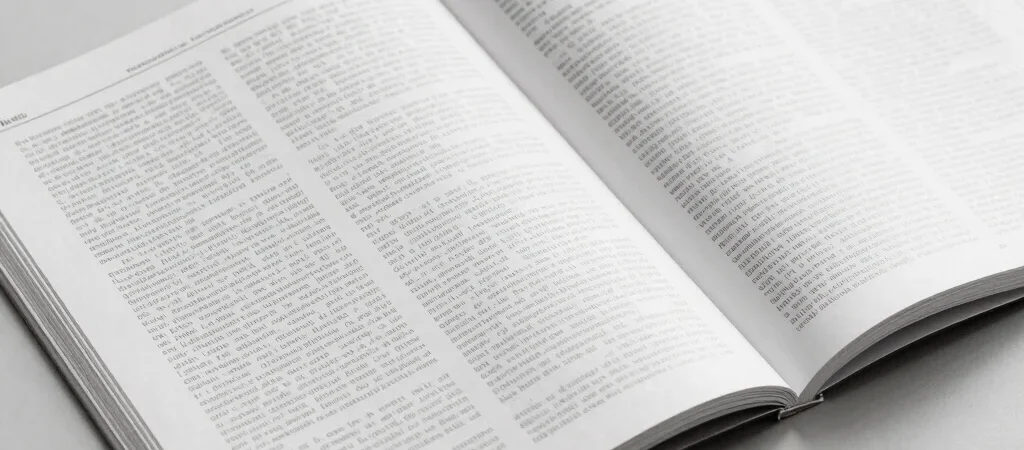
Grid systems are often misunderstood as restrictive formulas rather than active structural frameworks. When designing a printed publication, the grid dictates how typography and white space negotiate context across physical spreads.
Structure as the Primary Editorial Tool
A deliberate baseline grid gives rhythmic consistency to complex text hierarchies. By establishing strict vertical divisions, body copy and captions settle into predictable reader pathways. This structural clarity allows subtle spatial breaks to carry significant editorial weight.
Tension Between Proportion and Content
Designing an editorial piece requires balancing static margins with dynamic visual material. When photographs and essay fragments overlap columns, the underlying grid reveals itself through precise alignment points. Every margin choice reflects a conscious decision about how much breathing room an idea demands.
Materiality and Printed Tactility
Paper weight and binding mechanics alter how typographic grids perform in the hand. Crease allowances and gutter compensation must be integrated into the initial layout system before press proofs are pulled. A grid that works on screen only succeeds on paper when physical tactile factors are anticipated.